Lesotho Wine Fest: How the Careful Curation Behind this Year’s Festival is Re-defining Wine and Culture in Southern Africa.
For a country like Lesotho which boasts breathtaking natural beauty, the wine fest has over the years positioned itself as a significant cultural event.
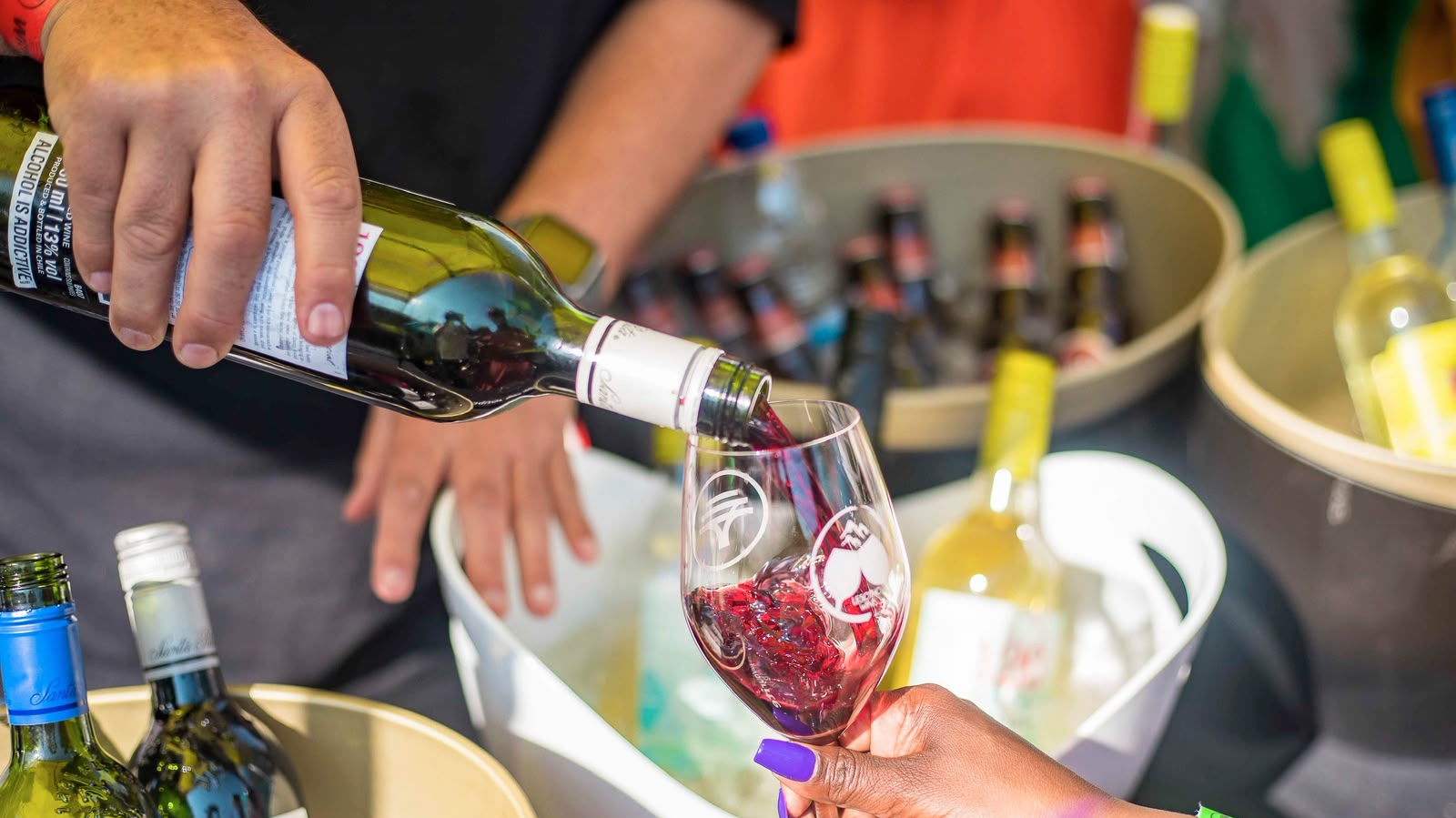
Lesotho might not be typically associated with a robust wine culture, but with the annual wine fest returning for its 13th edition on the 10th of October, ushering in the summer season with an event that promises a showcase of eclectic winemakers, springtime fashion and live music; that is quickly changing.
For a country like Lesotho which boasts breathtaking natural beauty, the wine fest has over the years positioned itself as a significant cultural event that not only expands the palettes of its attendees towards various types of wine, but also expands Lesotho’s position as one of the ‘go-to’ places to experience a burgeoning wine culture. Though narratives of poverty, and the undeniable fact of it—have clung to Lesotho through much of her young life, it is the co-existence and tension of such narratives alongside ‘Instagrammable’ natural beauty provided by evergreen mountains and hills that make it a compelling case study as a location where one might re-define Southern African wine and culture.
For the reader outside of Lesotho, it is hard to describe in a way that is absolutely true to spirit of the time—the festive atmosphere that suddenly infects the mountain kingdom once the warmer weather approaches. A wine festival, stretching back to old Greek traditions and myths of bacchanals, where the God of wine-making, Dionysus promised his followers a sense of freedom through music, dance, and wine—seems fitting to be held at this time where people are starting to step into the festive mood.
Such preoccupations of presenting Lesotho as the wine lovers’ ‘place-to-be’ dance around Paulo de Freitas’ mind, founder of the Lesotho Wine Fest, when we meet him for a conversation in the early days of spring. He is at once aglow with excitement and the confidence of an experienced sommelier that the 13th edition of the Wine Fest is yet another fresh chapter in re-writing Lesotho’s story as a wine destination.
“Every year we try to push the envelope in creating better and better lifestyle events” he tells us, “We’re on our 13th year and we’ve grown to host, currently, 45 different wine producers, with 320 wines on show. It is one of the biggest wine events in Africa, and one of the most looked-out-for events in the Southern African wine calendar by far”.
Throughout our conversation, an eagle-eyed curation behind selecting this year’s wines becomes apparent.
“I turn down about 150 farms” he says, “I don’t bring any producer to the wine fest unless they are on my current distribution. If I am not selling your wine currently at Station Off-Sales, I don’t think it’s worth the investment to have you come to Lesotho”.
Station Off-Sales is Paulo’s off-sale business situated in the Industrial Area of Maseru. He tells us that without the off-sales, The Wine Fest wouldn’t be possible. It’s the symbiotic relationship between the two that keeps a culture of wine alive in Lesotho. For instance, Station Off-Sales is one of the biggest importers of Spanish and Portuguese wines into Africa. “We’ve travelled the world to bring the best of wines into Southern Africa” he adds with a smile.
We grow curious and ask him which factors determine which wines make the cut for the festival and which don’t.
“As a sommelier, I’ve tasted a lot of wine” he says, “I get invited to a lot of wine events myself. I travel a lot for wine, and I’m always somewhere in the world tasting great wines. So, a lot of the producers that are in the event are a reflection of my own ideas in wines. The wine world is so vast and there are so many different facets to it”.
This expansiveness is carried over to the curation of the festival too.
“It’s about not only having the best wine experience” he tells us, “But also about curating the best food and wine experience. On average, you’re going to find better wine in Lesotho than you’re going to find in the Free State—you’ll find them in a lot of Lesotho restaurants because of the wines I’ve supplied them with. I’m constantly trying to fight the stereotype of ‘Who are Basotho?’, ‘What is Lesotho?’ I happen to think Basotho are very well-travelled and keen to experiment and try new things”.
Revellers in this year’s festival have to look forward to performances by local acts; Pitso Ramakhula, Morena Sway, as well as a soulful, jazzy set by South African artist, Lordkez. Paulo mentions how the wine festival also prides itself as a platform for arts and crafts development, connecting arts and crafts entrepreneurs to a wide audience and buyers.
We ask him what the best way for attendees to prepare for this year’s festival is.
“It’s not a sprint, it’s a marathon” he says, with a knowing twinkle in his eyes, “The tasting starts at 11am and ends at 4pm. I suggest you pace yourself. And choose your battles wisely”.