The Long Way Home is Part of the Story
A difficult journey does not prove that organisers acted without care.
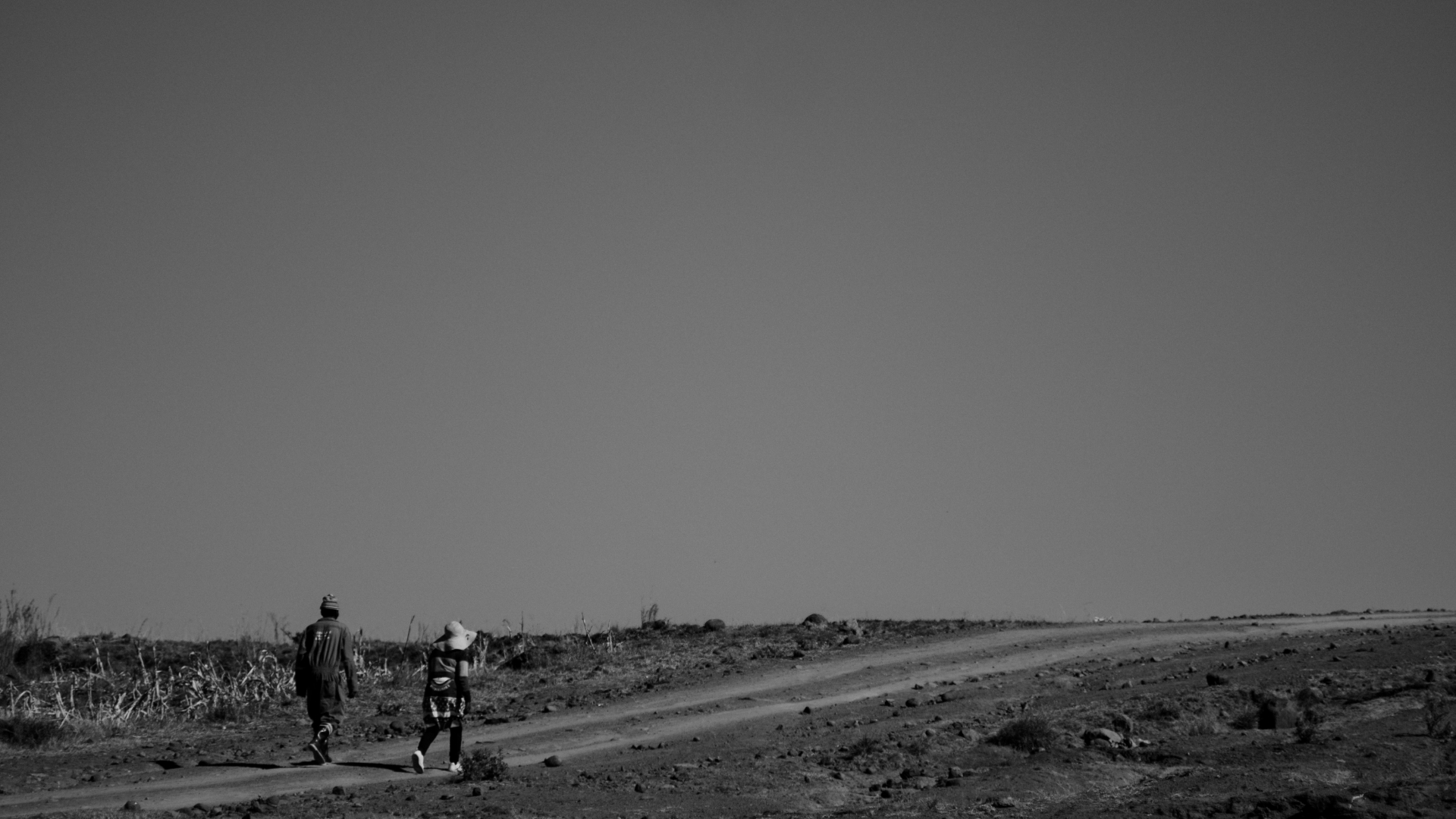
A road through mountain country can look simple in a photograph. A person walking it knows about the weather, the time needed, and the places where a journey becomes difficult. In Lesotho, a story of community life is incomplete if it celebrates a gathering without asking what it took for different people to arrive. The long way home is not a footnote. It often explains who can participate, who is absent, and what kind of welcome a neighbourhood actually provides.
Consider a local celebration organised with good intentions. Invitations circulate, a hall is prepared, and neighbours contribute their skills. A worker whose shift ends late may miss the event. An older resident may worry about travelling after dark. A parent may have no dependable transport for children. None of these people are necessarily indifferent. If organisers measure commitment by attendance alone, they may mistake barriers for a lack of interest.
Stories can help a community recognise those differences. An essay might begin with the person setting out before sunrise, or the relative who arranges a lift without making a public announcement about it. Such accounts do not need dramatic claims. Their strength lies in precise human questions: Was the meeting time realistic? Did an explanation arrive early enough? Could a resident ask what happened afterward? Who noticed the person who did not return?
The way we tell these stories matters. A writer should ask permission before using private experiences, especially when a family is coping with difficulty. An elder’s memories deserve care without being treated as the only possible account. A young person’s questions deserve room without being presented as an attack on tradition. Good cultural writing can hold more than one perspective without demanding that everybody reach the same conclusion.
My Christian faith gives me an additional reason to pay attention. Loving a neighbour does not mean requiring that person to accept our plans as they are. It means making an honest effort to understand how the plan affects them. Compassion need not erase boundaries or promise resources nobody possesses. It can be as concrete as clear directions, a changed meeting time, or a patient answer to the second question.
There is also responsibility on the part of those who raise concerns. A difficult journey does not prove that organisers acted without care. Many volunteers work with limited budgets and competing demands. Respectful feedback can acknowledge that effort while identifying an obstacle. Similarly, an organiser can explain why an arrangement cannot be changed without dismissing the person affected. Peace grows when people can speak candidly without having to assign bad motives to each other.
After the celebration, an honest review can look beyond the photographs. Whose presence was missing? Which promises were fulfilled? Did people receive an accessible account of decisions? Could they offer ideas for the next occasion? These are not signs of failure. They are ways to make the next gathering more useful and less dependent on who has the easiest route to the door.
The mountains will not become flat, and every schedule will leave someone disappointed. Yet a community can decide that the length of a person’s journey matters when invitations are planned. The road itself offers a reminder: belonging is more than arriving at the destination. It is the confidence that someone has considered how you might get there, and that your voice still counts if you cannot.